
September is a month of transition. Summer road trips are winding down, school is back in session, temperatures are beginning to fall, and wetter weather is right around the corner. It is also one of the best times of the year to take a closer look at your tires.
Your tires are the only part of your vehicle that actually touches the road. Their condition affects braking, steering, traction, fuel economy, and how confidently your vehicle handles changing weather. Checking them now gives you time to address worn tread, improper pressure, or alignment issues before fall makes those problems harder to ignore.
Why September Is a Great Time for a Tire Check
Hot summer pavement, long highway drives, road trips, construction zones, and heavy loads can all take a toll on your tires. By September, months of summer driving may have left behind uneven wear or reduced tread depth that is not immediately obvious from behind the wheel.
At the same time, cooler temperatures are approaching. Tire pressure naturally changes as temperatures fall, so tires that were already slightly low may need attention as the season changes.
September gives you a useful window between summer heat and the colder weather ahead to make sure your tires are ready for what comes next.
Signs Your Tires Need Attention
You do not have to wait for a flat tire or warning light to know something is wrong. Tires often show signs of trouble well before they become an emergency.
Low or Uneven Tread
Tread helps your tires maintain traction, especially when roads are wet. If one section of a tire is wearing faster than another, it may point to an alignment, suspension, or tire pressure problem.
Frequent Loss of Tire Pressure
If you are constantly adding air to the same tire, there may be a slow leak caused by a nail, valve stem, wheel issue, or other damage. Small leaks are worth addressing before colder weather makes pressure changes even more noticeable.
Cracks, Bulges, or Visible Damage
Cracking, cuts, bubbles, or bulges in the sidewall should never be ignored. These can indicate structural damage to the tire and may increase the risk of a failure on the road.
Vibration While Driving
A vehicle that begins to shake or vibrate at certain speeds may have an improperly balanced tire, damaged wheel, uneven tire wear, or another steering or suspension issue.
If Your Vehicle Pulls to One Side
If your vehicle consistently pulls left or right, especially on a level road, the alignment may need to be checked. Poor alignment can make the vehicle harder to control while also wearing out tires much faster.
Don't Forget About Tire Pressure
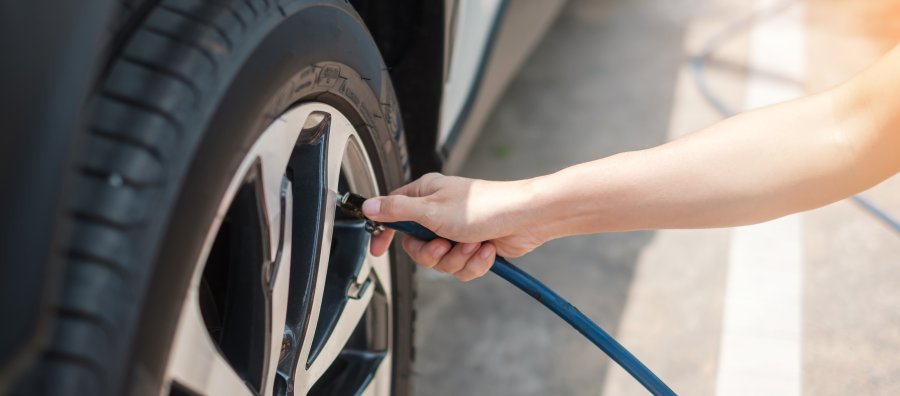
Temperature has a direct effect on tire pressure. As outdoor temperatures begin dropping in the fall, tire pressure can drop with them.
Driving with underinflated tires can increase tire wear, reduce fuel economy, and affect how your car handles on the road. Overinflating can be dangerous too as overinflation can cause uneven wear while reducing the amount of tire contacting the road.
Checking tire pressure during September gives you a good baseline before colder weather arrives. Always use the recommended tire pressure listed by your vehicle manufacturer rather than the maximum pressure printed on the tire itself.
What a Professional Tire Inspection Covers
A professional tire inspection looks at more than whether the tires still have tread. A technician can check tread depth, tire pressure, uneven wear patterns, sidewall condition, punctures, tire age, balance, plus signs that the vehicle may need an alignment.
If your vehicle is due for a tire rotation, September is also a convenient time to have it completed. Regular rotations help distribute wear more evenly and can help you get more life out of a set of tires.
Wet Fall Roads Make Tread More Important
Fall weather often means more rain, wet pavement, fallen leaves, and changing road conditions. Tires with healthy tread are better able to move water away from the contact patch to maintain traction.
When tread becomes worn, the vehicle has a harder time maintaining grip on wet pavement. That can increase stopping distances while making hydroplaning more likely during heavy rain.
A tire that seemed acceptable during dry summer driving may feel very different once September and October weather arrives.
The Cost of Waiting
Ignoring tire problems rarely makes them disappear. Poor alignment can destroy an otherwise good set of tires. Driving on an underinflated tire can cause additional heat and wear and waiting too long to replace worn tires can also leave you shopping for replacements after the weather has already turned bad.
Finding these problems early gives you more options while helping you avoid unnecessary tire replacement, roadside trouble, or unexpected repairs.
Head Into Fall With Confidence
September is the perfect time to reset after a busy summer of driving and prepare your vehicle for the months ahead. A quick tire inspection can tell you how much tread you have left, whether your tires are wearing evenly, and whether anything needs attention before colder weather arrives.
Whether your tires need attention or you simply want to make sure your vehicle is ready for changing fall conditions, now is a great time to have them checked by a trusted automotive professional.
Don't wait until a worn tire, low pressure warning, or unexpected flat leaves you stuck on the side of the road. Getting ahead of potential problems now can help keep your vehicle safer and more dependable as the weather changes.